

Low libido is often caused by declining testosterone levels due to aging, but other factors such as stress, depression, anxiety, certain medications, poor sleep, and underlying health conditions, like diabetes or obesity, can also contribute.

Low Libido Philadelphia
Reverse Low Libido
Understanding Low Libido
Low libido is often linked to a decrease in testosterone levels, which naturally decline with age, affecting sexual desire and performance. Treatment for low libido in Philadelphia starts by identifying the reason for the decline.

What You Might Be Experiencing
Common Symptoms
- Reduced sexual desire
- Slower arousal
- Less frequent erections
- Fatigue
- Depression
- Anxiety
- Mood changes
- Muscle loss
Common Causes
- Low testosterone
- Aging
- Chronic stress
- Depression
- Anxiety
- Medications
- Poor sleep
- Alcohol use
- Lack of exercise
- Diabetes
- Obesity
- Thyroid issues
What Causes Low Libido
The root cause of low libido often stems from hormonal imbalances, particularly low testosterone levels, which naturally decline with age. Testosterone is a key hormone in regulating sexual desire, and its reduction can significantly impact libido.
Other root causes include psychological factors such as chronic stress, depression, and anxiety, which can lower interest in sex. Certain medications, such as those for blood pressure or depression, can also interfere with sexual drive. Lifestyle factors, like poor sleep, lack of exercise, and excessive alcohol or drug use, can further contribute. Additionally, underlying health conditions like diabetes, obesity, and thyroid disorders can disrupt hormonal balance and overall energy, leading to reduced sexual desire.
How Age Affects Libido
Age plays a significant role in low libido, due to the natural decline in testosterone levels. Testosterone, the hormone responsible for regulating sexual desire, typically decreases after the age of 30, with more noticeable drops through the 40s, 50s, and beyond. This hormonal change can lead to reduced sexual desire, slower arousal, and less frequent erections.
Age-related health issues, such as obesity, diabetes, or cardiovascular disease, can also contribute, as can the side effects of medications commonly prescribed to older adults. Aging can increase stress, fatigue, and psychological factors that further affect sexual drive. While aging is a natural process, addressing these factors through treatments like hormone replacement therapy and lifestyle adjustments can help you maintain a healthy libido.

Hear From Our Clients
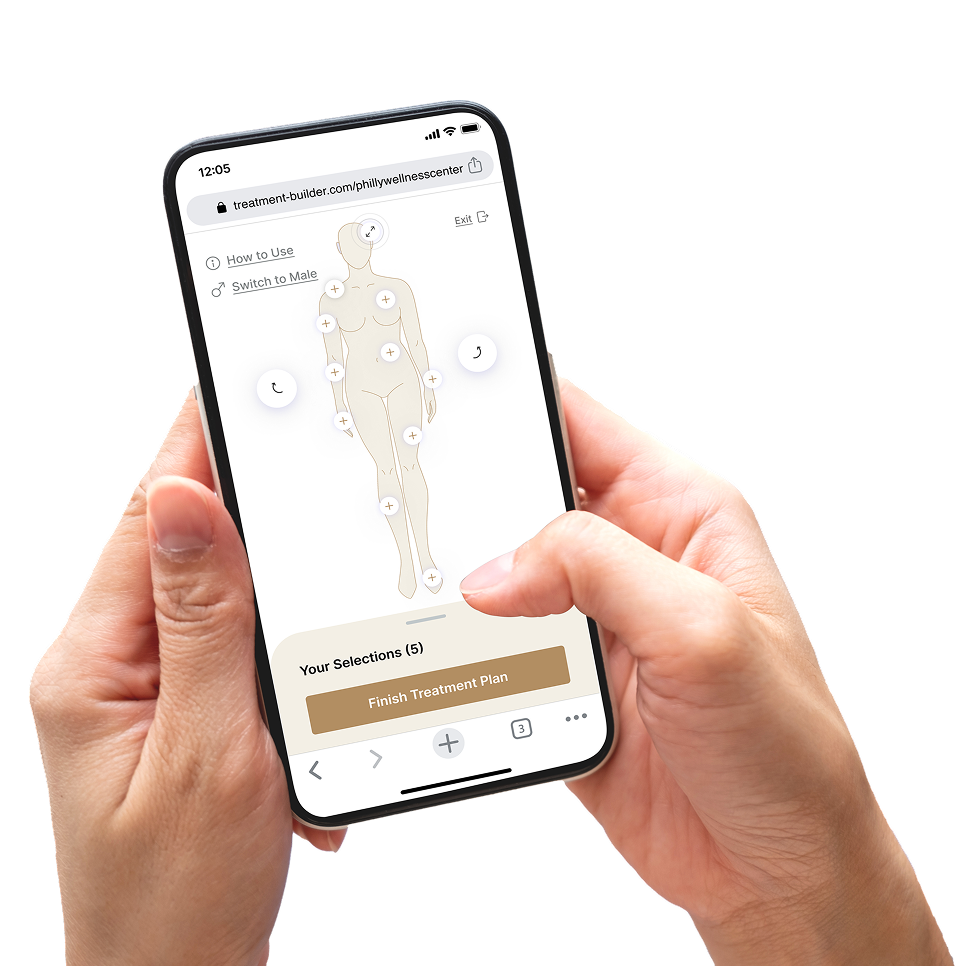
Not Sure Where to Start?
Answer a few questions, and we will show you which treatments actually fit your concerns.
It takes about 2 minutes.

How We Treat Symptoms
Your Options
A comprehensive solution for low libido in Philadelphia involves addressing both hormonal and lifestyle factors. Lifestyle changes, such as regular exercise, a healthy diet, proper sleep, and stress management, can significantly improve libido. Reducing alcohol consumption and quitting smoking also support hormonal balance. Addressing underlying medical conditions, such as diabetes or obesity, can also improve libido.
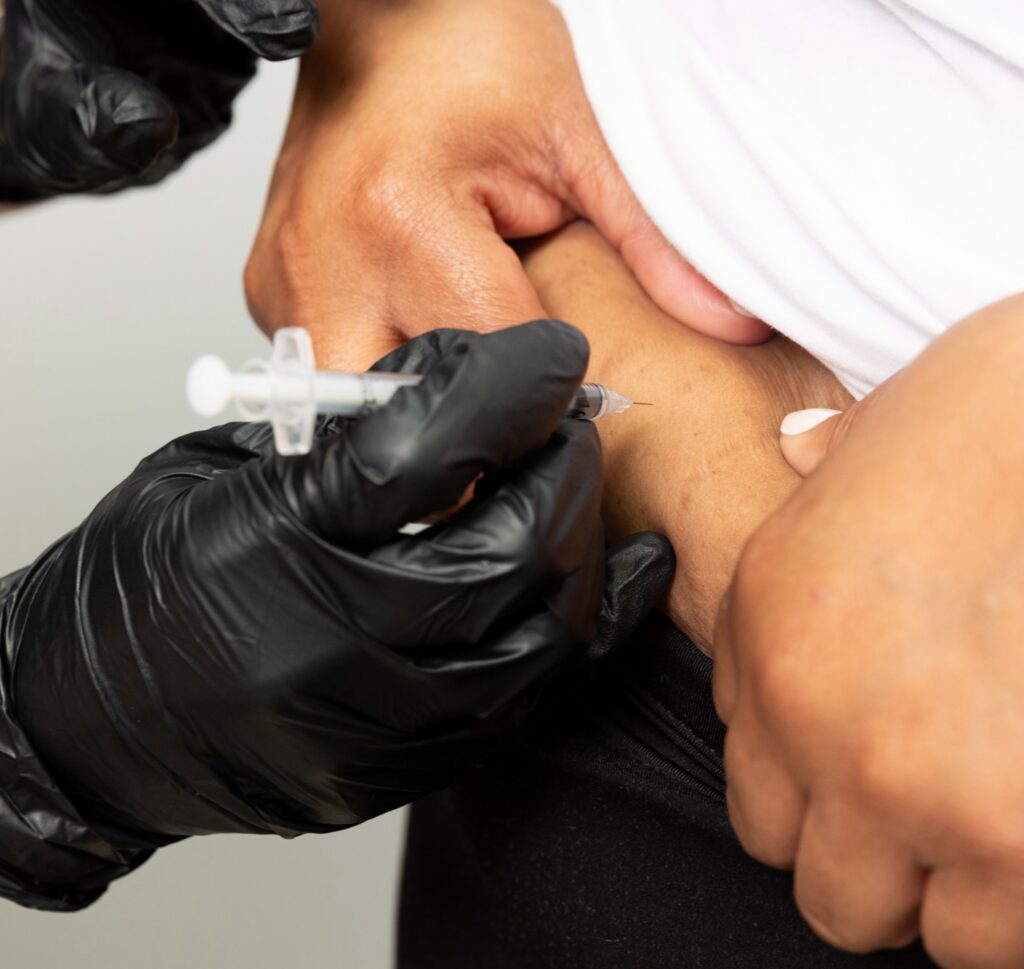
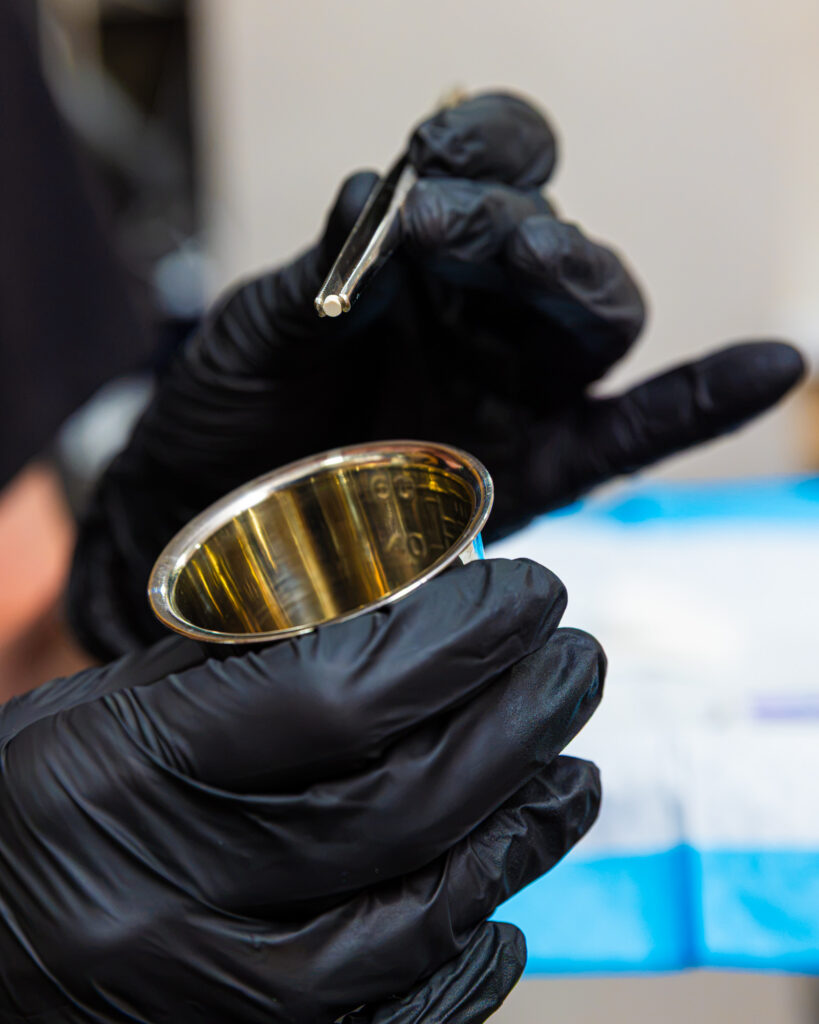
Testosterone Replacement Therapy. TRT is a medical treatment designed to restore healthy levels in those who have low testosterone. This hormone is critical for regulating energy, mood, muscle mass, libido, and overall well-being.
As testosterone levels decline with age, it can lead to symptoms like fatigue, decreased sex drive, muscle loss, and mood changes. TRT aims to alleviate these symptoms by using methods like injections, pellets, or pills to bring testosterone levels back into a healthy range.
Peptide Therapy. In functional medicine, peptides are used for their role in regulating various biological processes, as they act as signaling molecules in the body. These short chains of amino acids can stimulate tissue repair, reduce inflammation, and improve cellular communication.
There are hundreds of peptides that can improve energy, weight training, recovery, endurance, skin, and hair, facilitate weight loss, and induce deep sleep. Tell us what you need, and we will find a peptide stack to help you achieve your goals.
Wellness Program. Our Wellness Program is designed to provide personalized, comprehensive health optimization through quarterly consultations. We dive deep into your health profile with diagnostic testing that includes metabolic health analysis, strength testing, GI mapping, and an annual prodrome scan for 40 critical biomarkers. This data-driven approach allows us to craft supplement recommendations and customized nutritional plans.
Frequently Asked Questions
Yes, women can experience low libido, or a decreased interest in sexual activity, at any stage of life. Hormonal changes, menopause, stress, certain medications, underlying health conditions, and relationship factors can all affect sexual desire. Treatment depends on the underlying cause and may include hormone therapy, medication adjustments, stress management, or other personalized approaches to support sexual wellness.
At Philly Wellness Center we regularly help men and women with intimate wellness concerns.
TRT helps restore testosterone levels, which can boost sexual desire, improve energy, and enhance sexual performance. It is particularly effective for those experiencing age-related testosterone decline.
Yes, regular exercise, a healthy diet, adequate sleep, and stress management can significantly improve libido. Reducing alcohol intake, quitting smoking, and maintaining a healthy weight also improve sexual health.
If low libido persists despite lifestyle changes, or if it is accompanied by other symptoms, like fatigue, depression, or difficulty maintaining erections, it is a good idea to consult us. We can help identify any underlying causes and recommend the appropriate treatment for low libido in Philadelphia.



Ready When You Are
Pick Your Next Step
Book a consultation, build a treatment plan, or just send us a message. Whichever way you start, you will talk to somebody who sees the whole picture.