
Pelvic floor weakness can be caused by various factors, including pregnancy and childbirth, aging, menopause, obesity, chronic constipation, or heavy lifting. These factors place stress on the pelvic floor muscles, leading to stretching, weakening, or damage over time.

Pelvic Floor Therapy Philadelphia
Pelvic Floor Weakness
Understanding Pelvic Floor Weakness
Pelvic floor weakness occurs when the muscles that support the bladder, uterus, and rectum become stretched or weakened, causing urinary incontinence, pelvic organ prolapse, and sexual dysfunction. Pelvic floor therapy in Philadelphia works to restore that support.

What You Might Be Experiencing
Common Symptoms
- Urinary incontinence
- Difficulty controlling bowel movements
- Pelvic organ prolapse
- Lower back pain
- A feeling of pressure or heaviness in the pelvic area
- Sexual dysfunction from weakened muscle support
Common Causes
- Pregnancy
- Childbirth
- Aging
- Menopause
- Obesity
- Chronic constipation
- Heavy lifting
- Persistent coughing
- Pelvic surgery
- Nerve damage
What Causes Pelvic Floor Weakness
The root cause of pelvic floor weakness typically involves the stretching, weakening, or damage of the muscles and connective tissues that support the pelvic organs. This can result from a variety of factors, including pregnancy and childbirth, which place significant strain on the pelvic area, leading to muscle and tissue damage.
Aging and menopause also contribute, as hormonal changes, particularly the decline in estrogen, can weaken the pelvic muscles. Chronic pressure from obesity, persistent coughing, constipation, or heavy lifting can also strain the pelvic floor. In some cases, pelvic surgeries or nerve damage may also weaken the pelvic floor.
What Pelvic Floor Therapy Can Address
Pelvic floor therapy can massively improve symptoms. It may also be covered by insurance if deemed medically necessary. We have partnerships with excellent physical therapists who specialize in pelvic floor therapy in Philadelphia, and can write a referral if necessary.
If you need more than that, we also have additional options that can supplement or replace pelvic floor therapy, though they are not covered by insurance.

Hear From Our Clients
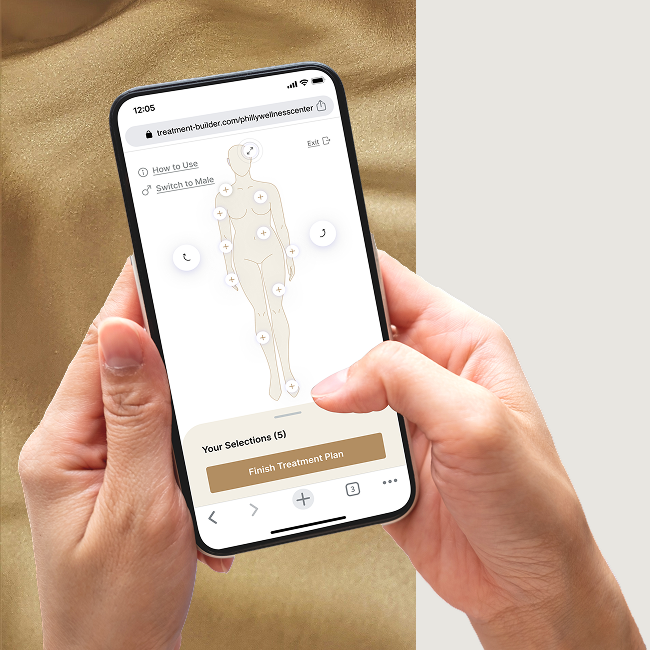
Not Sure Where to Start?
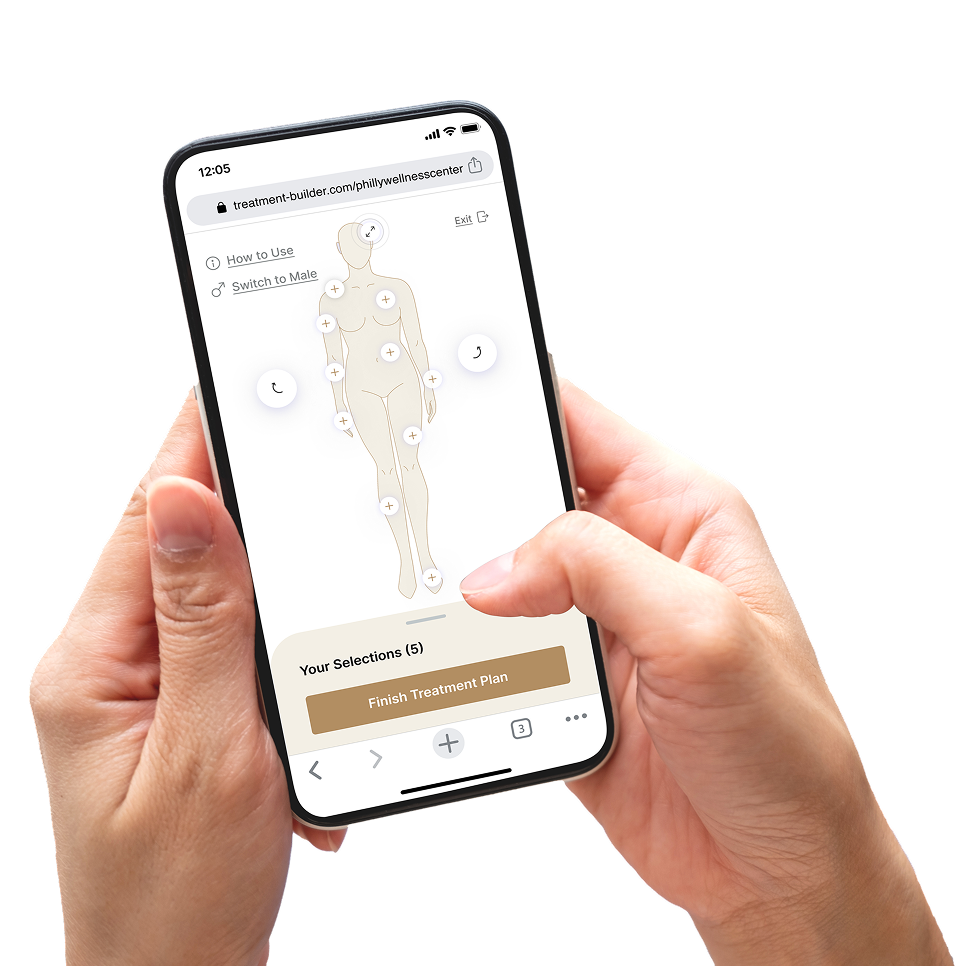
Answer a few questions, and we will show you which treatments actually fit your concerns.
It takes about 2 minutes.

How We Treat Symptoms
Your Options
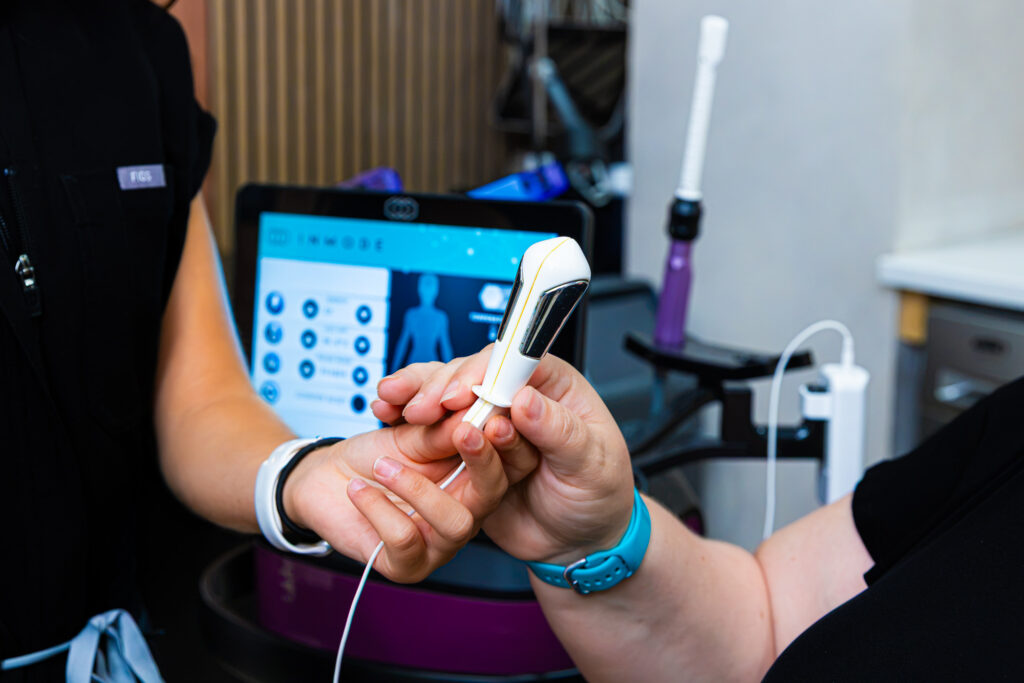
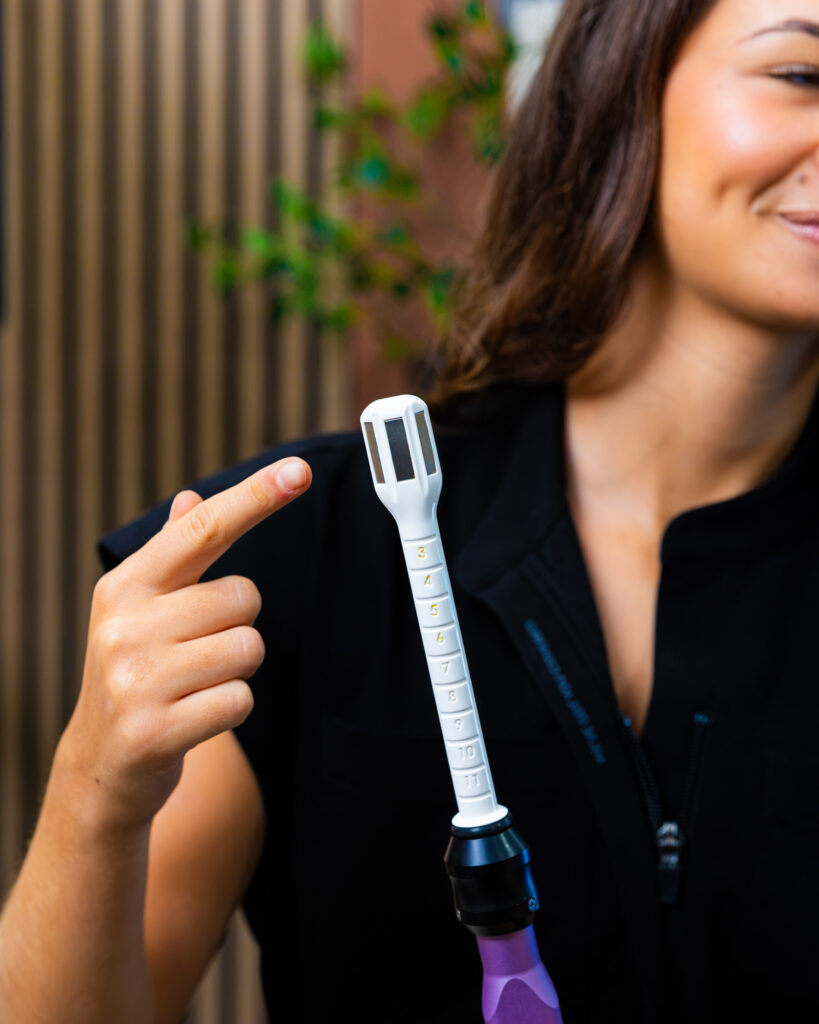
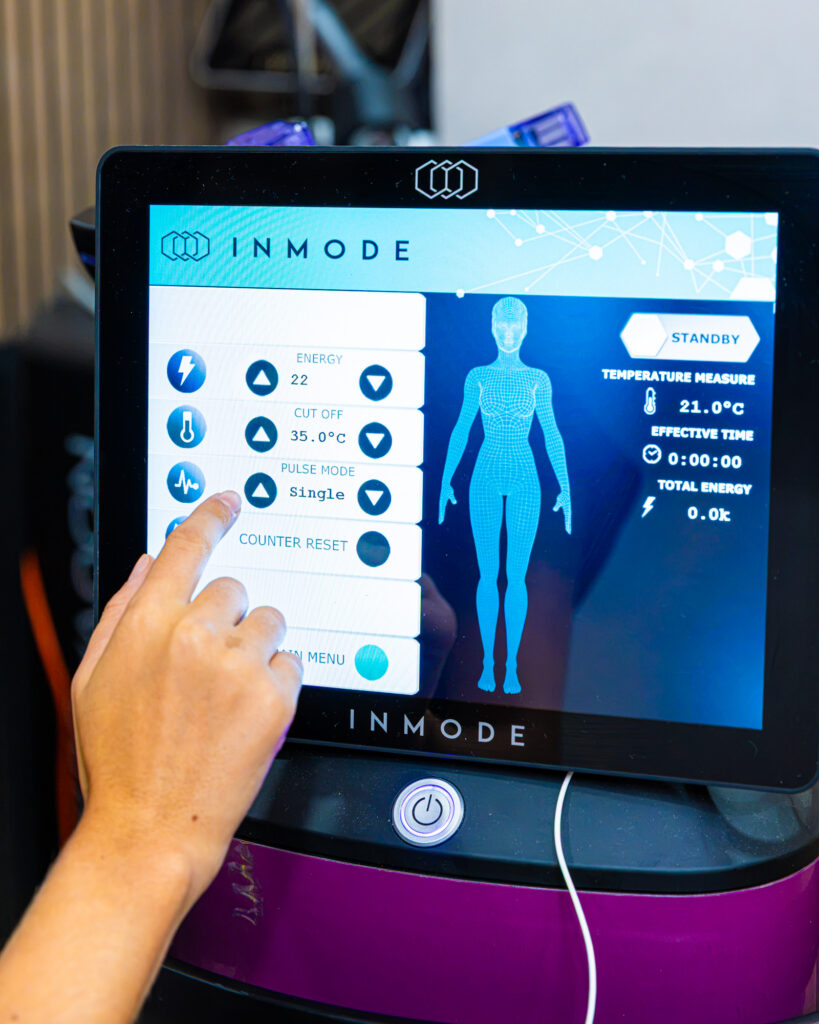
We offer the Empower platform for pelvic floor therapy in Philadelphia to provide an effective, nonsurgical solution for pelvic floor weakness. By combining FormaV and VTone, these treatments work to restore pelvic floor strength, reduce incontinence, and enhance overall pelvic health, offering a comfortable, noninvasive approach with no downtime.
VTone. VTone is a noninvasive pelvic floor therapy that uses electrical muscle stimulation to treat stress, urge, and mixed urinary incontinence. It strengthens and re-educates weak pelvic floor muscles, improving bladder control and vaginal tone.
VTone delivers gentle, targeted stimulation through a small, comfortable device, helping to restore muscle function and reduce symptoms. This treatment is ideal for women experiencing pelvic floor dysfunction due to aging, childbirth, or menopause, offering a safe and effective solution with no downtime.
FormaV. FormaV is a noninvasive treatment using radiofrequency technology to improve vaginal health and function. It gently heats the tissue, promoting collagen production and enhancing blood flow. This results in improved tone and reduced symptoms of laxity and incontinence. With no downtime or discomfort, FormaV is a safe and effective option for women seeking to address changes related to aging, childbirth, or menopause.
Hormone Therapy. When pain during intercourse traces back to low estrogen, hormone therapy treats that directly. Estrogen maintains the moisture, elasticity, and tissue thickness that make sex comfortable, and supplementing it restores those conditions at the source.
Because the same decline drives hot flashes, mood changes, and sleep disruption, treating it usually improves more than the initial symptom that brought you in.
Frequently Asked Questions
Common symptoms include urinary incontinence, difficulty controlling bowel movements, pelvic organ prolapse, lower back pain, sexual dysfunction, and a feeling of pressure or heaviness in the pelvic area.
Pelvic floor exercises, commonly known as Kegels, can help strengthen these muscles. In addition, pelvic floor physical therapy, electrical muscle stimulation, and lifestyle changes, like managing weight and avoiding heavy lifting, can improve pelvic floor strength.
Yes, there are several nonsurgical treatments available. These include pelvic floor exercises, physical therapy, and advanced technologies, like the Empower platform, which uses electrical muscle stimulation and radiofrequency to restore muscle strength, improve bladder control, and enhance pelvic health.



Ready When You Are
Pick Your Next Step
Book a consultation, build a treatment plan, or just send us a message. Whichever way you start, you will talk to somebody who sees the whole picture.