
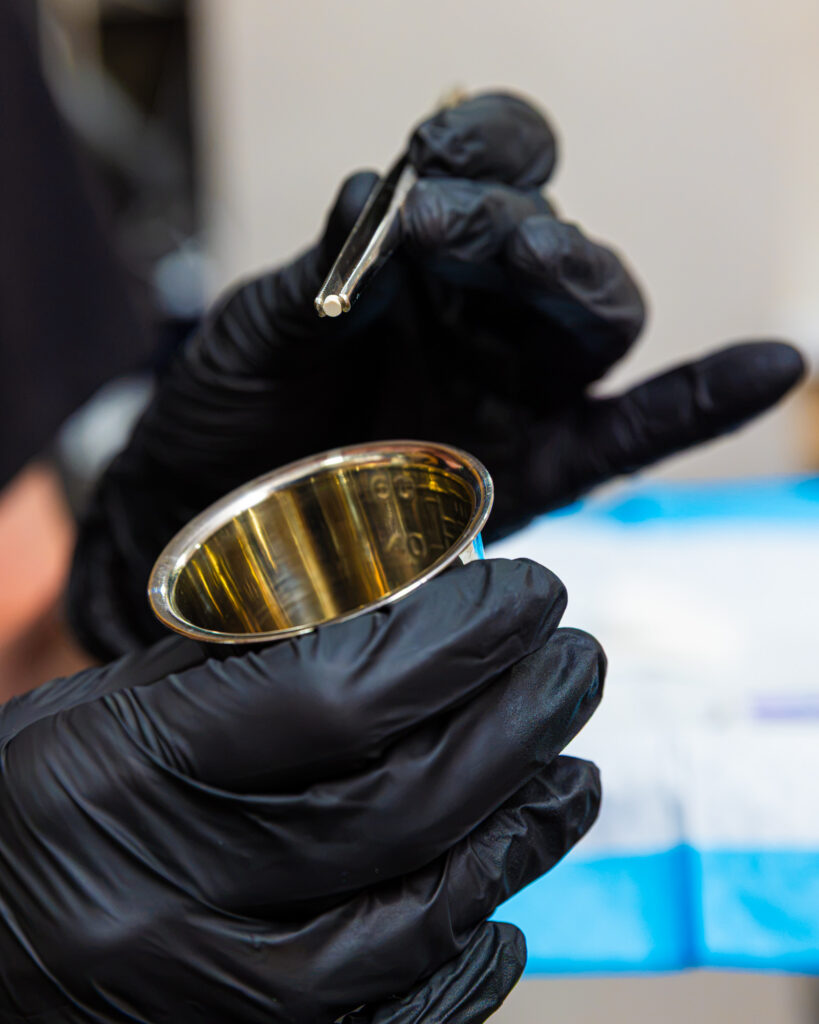

Bioidentical hormone therapy is a form of hormone replacement that uses creams, patches, or pellets made from plant-based hormones that are structurally identical to the ones the human body produces.

Menopause Relief in Philadelphia
Feel Like Yourself Again
Understanding Menopause
Hormone production drops sharply after 35, and by menopause, the decline affects nearly every system you have. Menopause treatment in Philadelphia at Philly Wellness Center starts by measuring exactly what dropped, then restoring it.

What You Might Be Experiencing
Common Symptoms
- Fatigue that rest does not fix
- Insomnia
- Night sweats
- Hot flashes
- Weight gain or stubborn weight
- Moodiness and irritability
- Brain fog
- Depression
- Anxiety
- Low sex drive
- Joint, muscle, and nerve pain
- Hair loss
- Apathy and loss of motivation
Optimized Hormones
- Estrogen
- Testosterone
- Progesterone
- Thyroid
- Cortisol
- DHEA
What Causes Hormone Imbalance
Hormones impact more of your day than you might realize. Sleep quality, mental clarity, focus, energy, body composition, mood, and intimacy can all shift based on your hormones. Production stays abundant from puberty until perimenopause, then falls off, and the symptoms that follow are the downstream effect. That is why treating each symptom on its own rarely works, and why we run testing before we treat anything.
What Can Hormone Therapy Address
Fatigue. Perpetually tired, regardless of rest or sleep, and a classic sign of hormonal imbalance.
Weight Gain. Weight that climbs, or refuses to move, despite no unhealthy changes in what you eat or how you train.
Pain. Nerve pain, joint pain, and muscle pain all carry a hormonal component that standard workups tend to miss.
Insomnia. Low estrogen makes it difficult to stay asleep through the night.
Apathy. Low testosterone produces a loss of motivation and focus.
Depression. Onset depressive symptoms can sometimes be managed with hormone replacement.
What Each Hormone Does
Testosterone. Builds muscle strength, increases bone density, alleviates depression, and protects heart health. Studies suggest it also protects breast and prostate tissue.
Estrogen. The master regulator of the brain, it protects against neurodegenerative conditions and regulates collagen, the microbiome, insulin, and body fat.
Progesterone. Regulates sleep, anxiety, irritability, and your stress response. Think of it as a calming hormone that helps you relax.

Hear From Our Clients
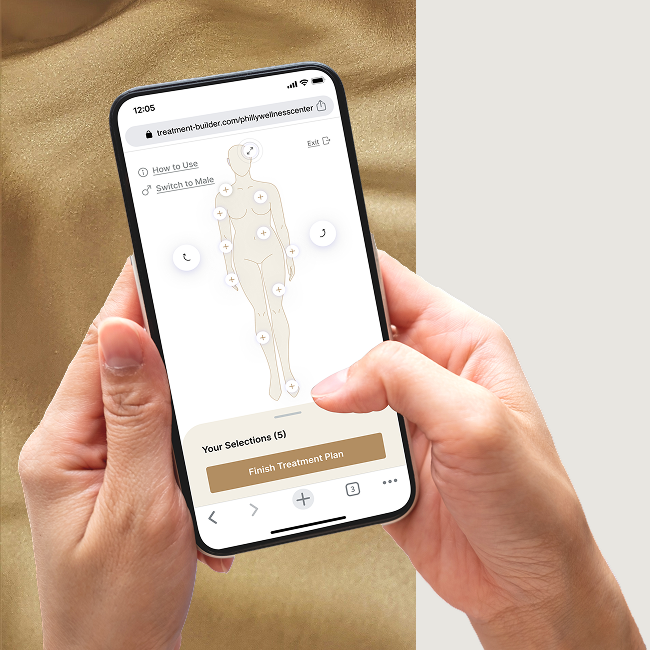
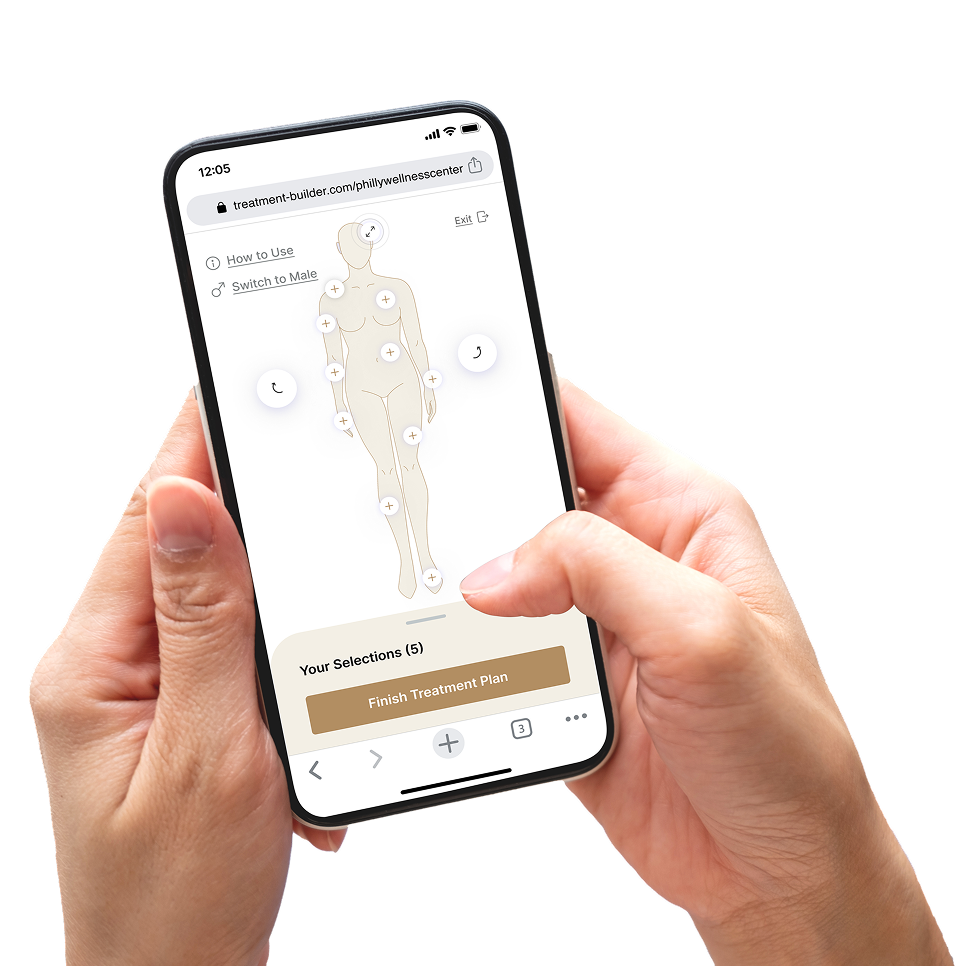
Not Sure Where to Start?
Answer a few questions, and we will show you which treatments actually fit your concerns.
It takes about 2 minutes.

How We Treat Symptoms
Your Options
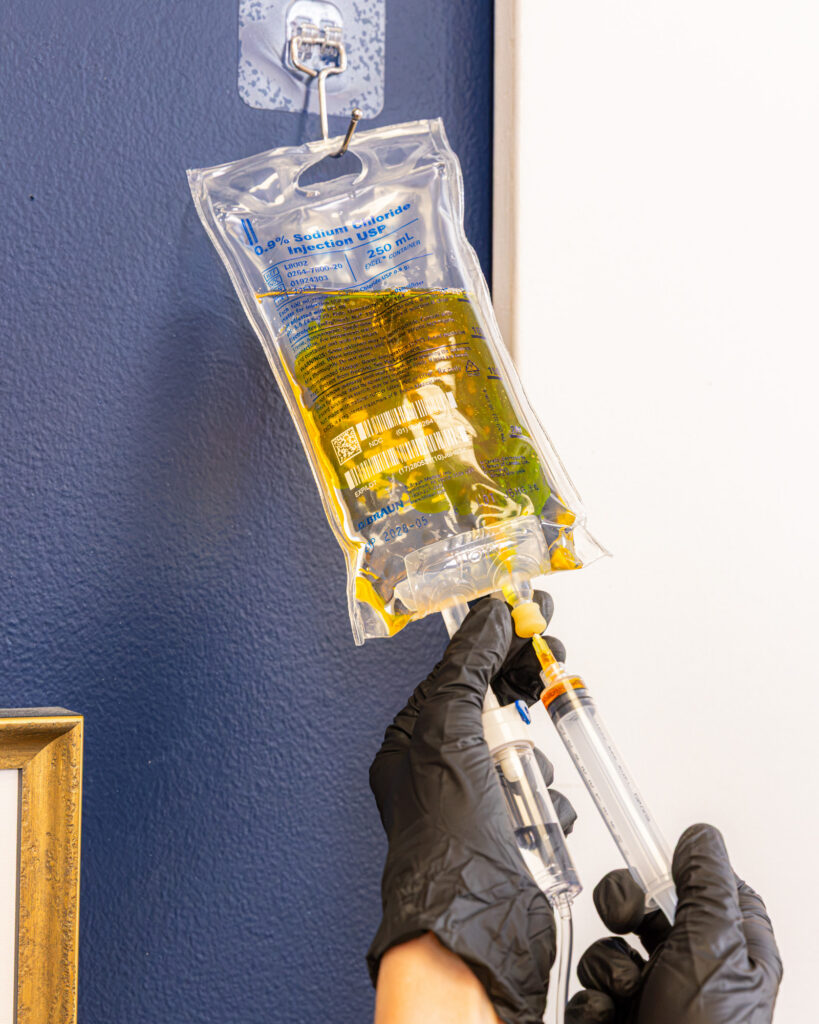
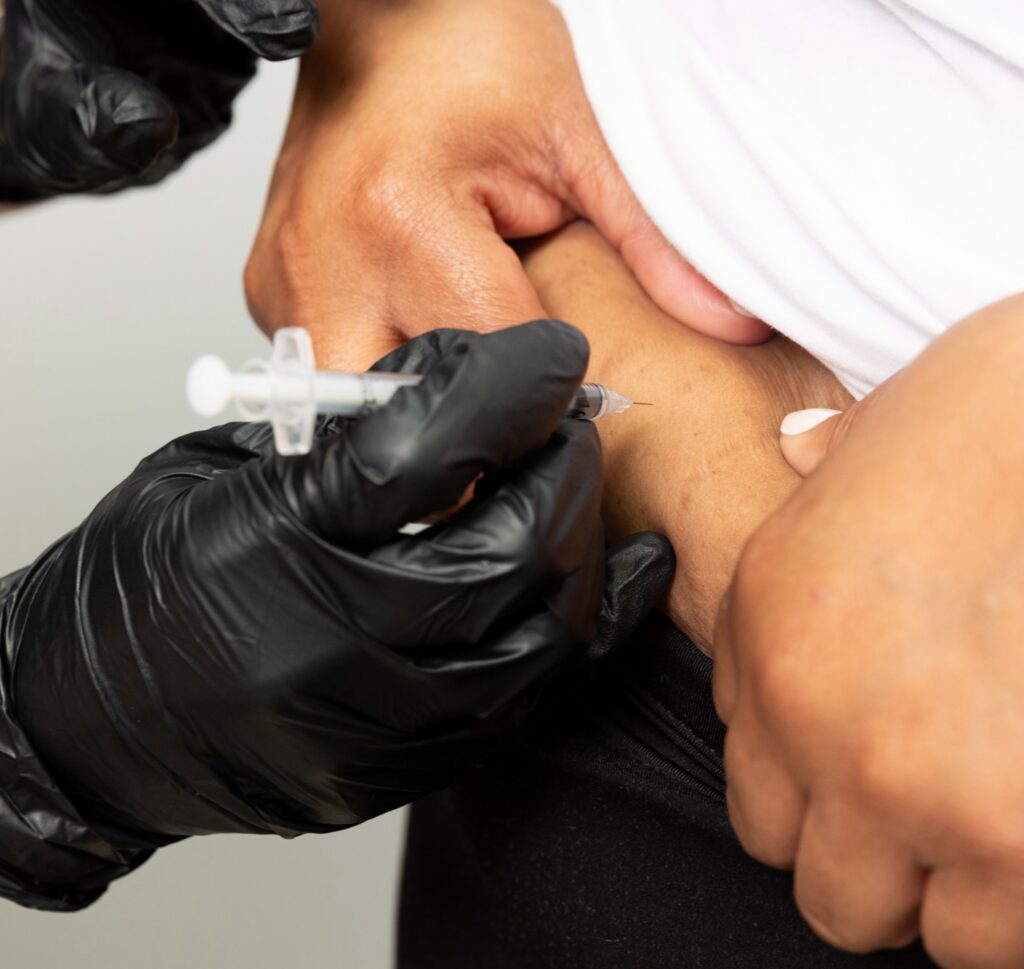
We have a 3-step process for menopause treatment in Philadelphia. Discover is where we talk through your symptoms and complete blood work to see if you are a candidate. Diagnose is where we identify an existing imbalance and walk you through the options. Optimize is where we restore hormone levels using creams, patches, or pellets placed under the skin.
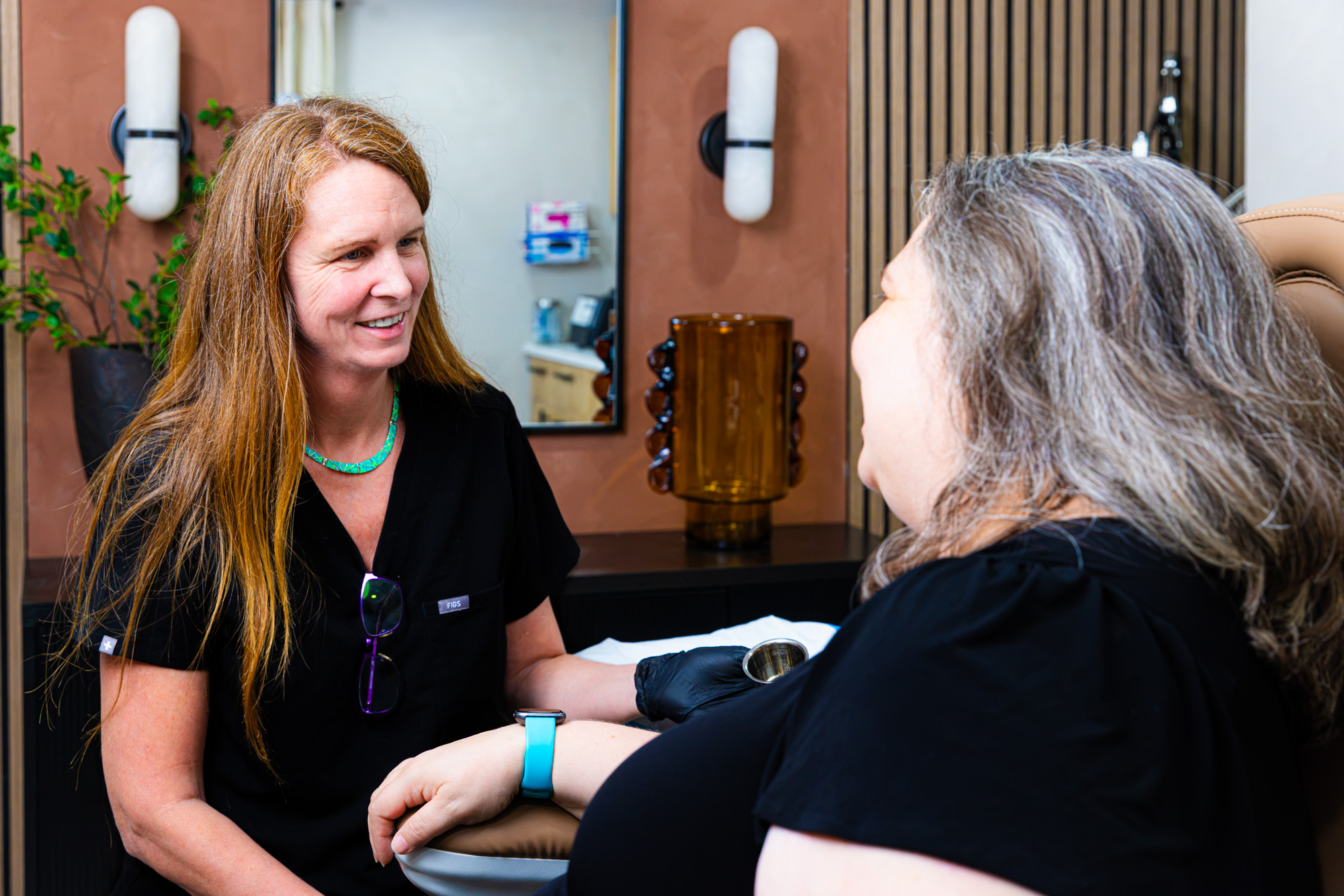
Treatment begins with a consultation covering your health history and symptoms, followed by lab work that shows exactly where your hormone levels sit. Those results determine whether bioidentical hormone therapy is appropriate for you. If you qualify, we can use creams, patches, or pellets placed under the skin, based on your labs and preferences. Bioidentical means the hormones are plant-derived and structurally identical to what your body already makes, reducing the risk of adverse effects.
The goal isn’t to help you reach an average profile for your age and sex. We optimize your hormone profile for your needs and concerns. Once restored, you’ll feel stronger, more alert, and confident.
Clients who reach optimal balance commonly report more energy, sharper mental clarity, reduced body fat, fewer hot flashes and night sweats, improved libido, and relief from depression and anxiety. Follow-up labs guide every adjustment after that, promoting hormonal stability.
FAQs About BHRT
The benefits of trying testosterone therapy as a menopause treatment in Philadelphia include:
- Improvements in sexual function
- Increased strength through protein synthesis
- Lowered cholesterol
- Greater bone density
- Better cardiovascular health
Studies suggest testosterone is also protective for breast and prostate tissue, making it a potentially supportive addition to the health regimen of women and men.
Yes, women need testosterone too. This is a common misconception about menopause treatment that, in Philadelphia, Dr. Catie is working to address. Testosterone is the most abundant biologically active hormone in women and is essential to physical and mental health. At therapeutic levels, it does not have a masculinizing effect, and it has a well-established safety record, proven to decrease anxiety, irritability, and aggression.
Eligible clients for hormone therapy are between 40 and 90, though anyone with symptoms or very low testosterone levels may also be eligible. We do not treat pregnant women. If you have prostate or breast cancer, we can still treat you, but it requires coordination with your oncology team. Men actively trying to conceive should know that testosterone can temporarily decrease sperm motility.
Women should begin hormone therapy within 10 years of the onset of menopause to retain the fuller range of health benefits. Research shows that the female brain shows changes within roughly 3 years of menopause onset, because estrogen receptors in the brain stop working when estrogen drops.
Yes, hormone therapy is a lifestyle commitment. The benefits hold as long as therapy is consistent. You can stop at any time, though the body does not store hormones and produces very little after 50, so stopping allows symptoms to return.
Rarely, and only briefly, do we block estrogen in male clients. Men need estrogen too, and their only source is the natural conversion of testosterone. Blocking estrogen can cause erectile dysfunction, hair loss, joint pain, muscle pain, and cardiovascular effects.
Yes, there is a substantial body of research to support hormone therapy. Dr. Harris keeps a reading list of BHRT studies available for anyone who wants to go through the evidence themselves.
Menopause treatment in Philadelphia begins with a consultation and lab work at our South Street office. Request an appointment or call our clinic.



Ready When You Are
Pick Your Next Step
Book a consultation, build a treatment plan, or just send us a message. Whichever way you start, you will talk to somebody who sees the whole picture.