
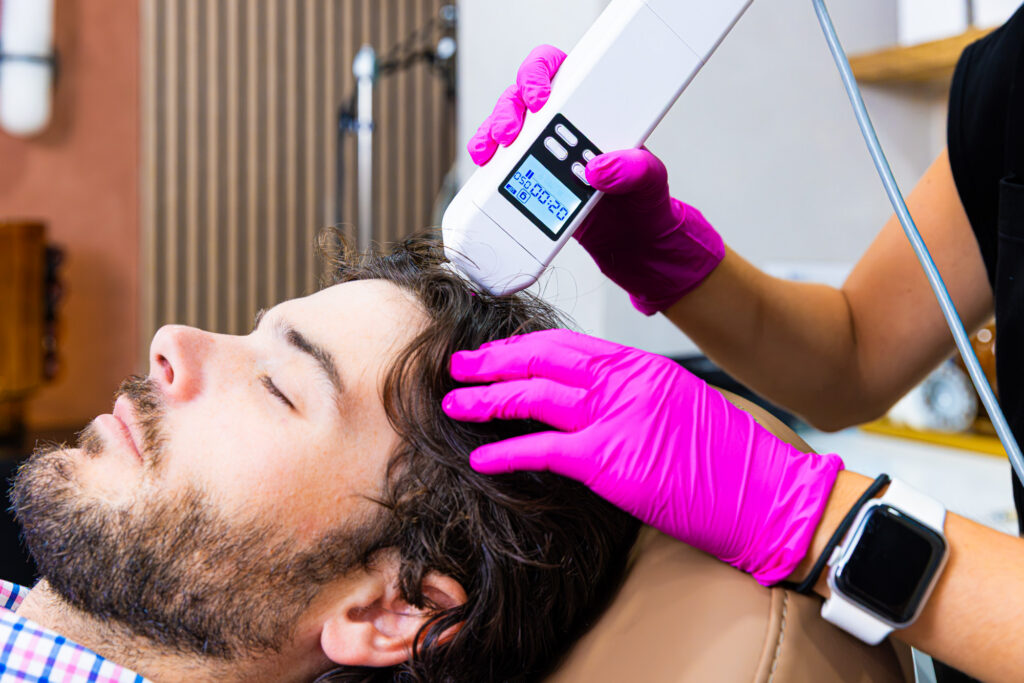
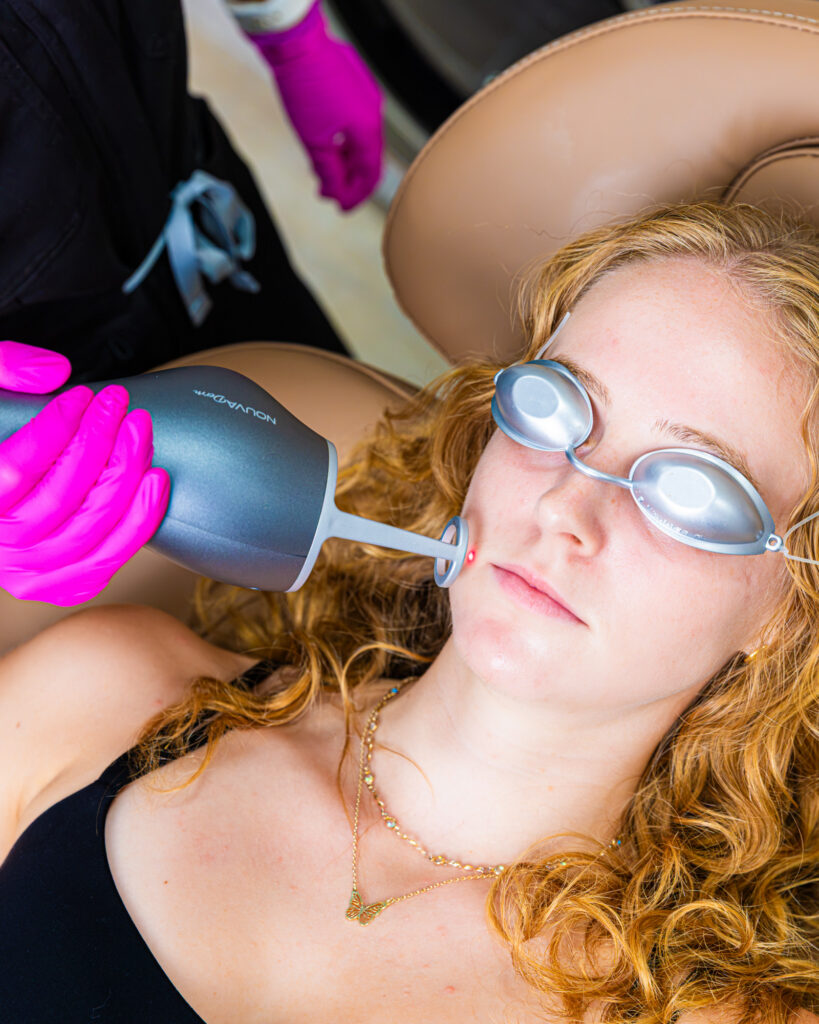
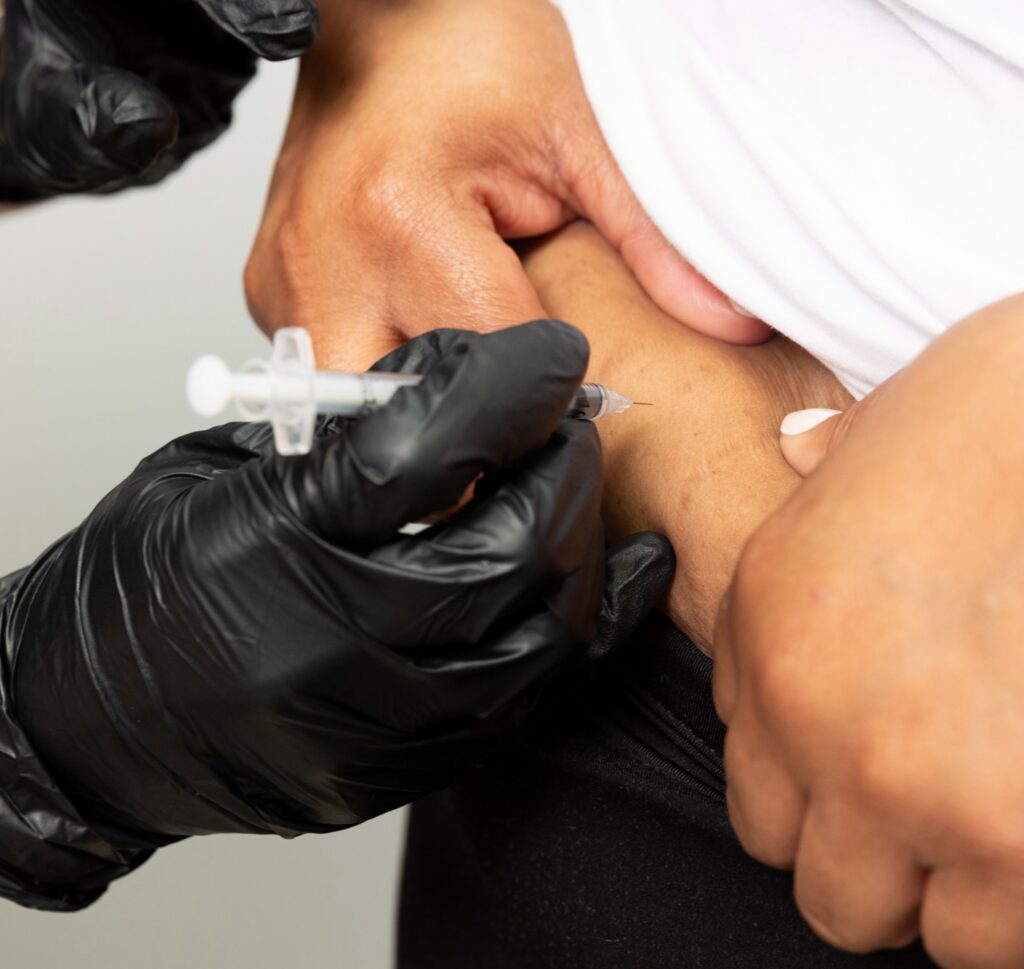
Nonsurgical options like exosome therapy with De|Rive, platelet-rich plasma therapy, and laser treatments like Nouvaderm are among the most effective. These stimulate hair follicles and promote regrowth without significant downtime.

Hair Loss Philadelphia
Thicker Hair, Restored
Understanding Hair Loss
Hair loss can manifest in various ways and can be caused by multiple factors. Identifying the cause is what makes a treatment plan for hair loss in Philadelphia work.
What You Might Be Noticing
Common Symptoms
- Thinning across the crown
- A widening part
- A receding hairline
- Patchy loss on the scalp
- Bald spots
- Increased shedding
- Loss of density and volume
- Hair that feels weaker or finer
Common Causes
- Genetics
- Hormonal changes
- Menopause
- Low testosterone
- PCOS
- Aging
- Stress
- Iron deficiency
- Low vitamin D
- Alopecia areata
- Scalp infections
- Toxic exposure
Physical Causes
Genetics. The most common cause of hair loss is genetic predisposition, often referred to as androgenetic alopecia or pattern baldness. This hereditary condition affects men and women and typically occurs gradually.
Hormonal changes. Hormonal fluctuations, whether from menopause in women or testosterone changes in men, can significantly impact hair growth. Conditions such as polycystic ovary syndrome (PCOS) can also lead to hair thinning.
Aging. With age, hair follicles may become less efficient, resulting in thinning hair and bald spots.
Environmental Causes
Stress. High stress levels, often called telogen effluvium, can trigger temporary hair loss.
Nutritional deficiencies. Lack of vitamins and minerals, such as iron and vitamin D, can lead to hair loss, and a balanced diet can help maintain hair health.
Autoimmune conditions. Conditions like alopecia areata can cause sudden hair loss, leading to patches on the scalp.
Scalp infections. Fungal infections or inflammation can severely affect hair health, leading to shedding or thinning.
Toxic exposure. Continuous exposure to harmful chemicals, including those found in some hair products or environmental pollutants, may damage hair follicles.

Hear From Our Clients
Not Sure Where to Start?
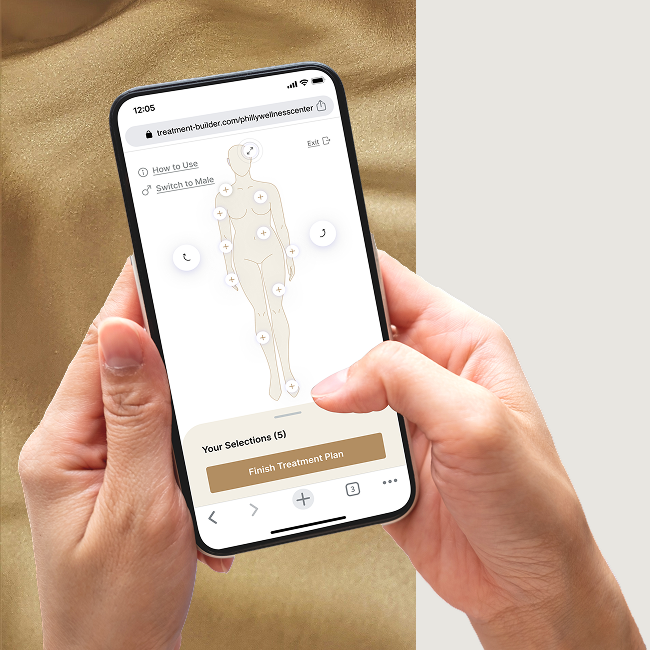
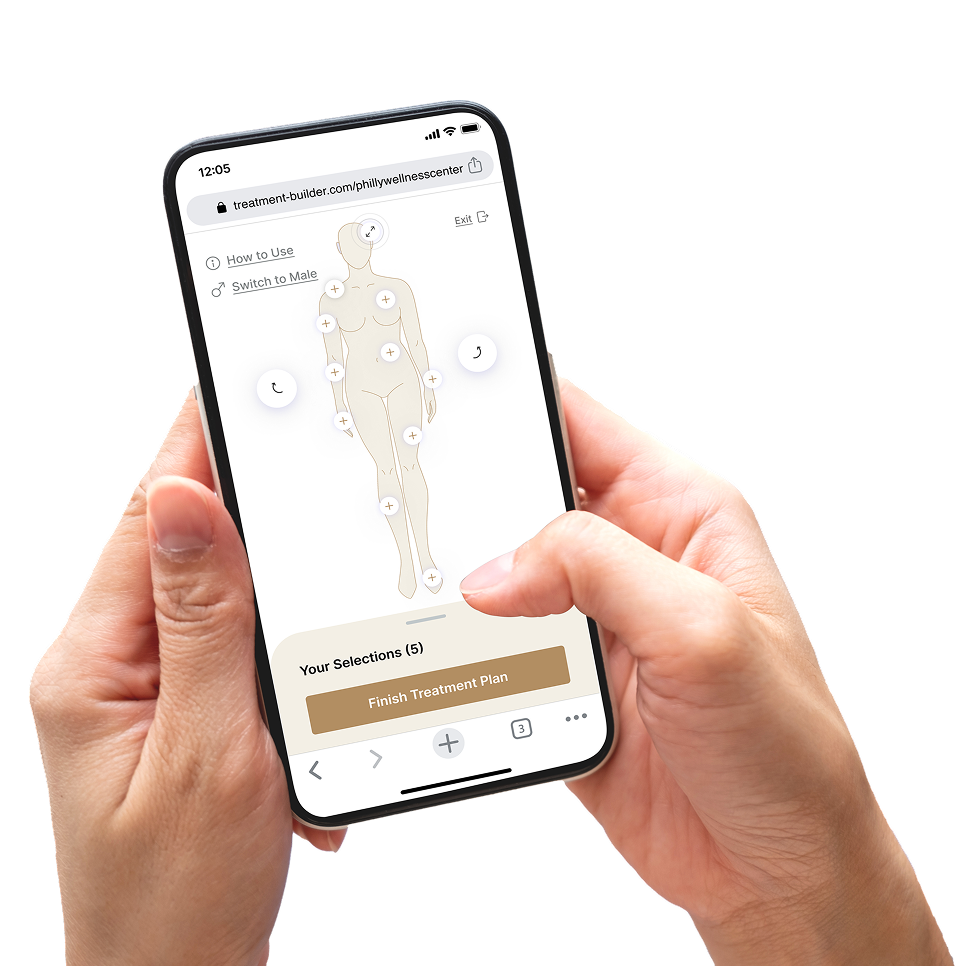
Answer a few questions, and we will show you which treatments actually fit your concerns.
It takes about 2 minutes.

How We Treat Symptoms
Your Options
Everyone’s hair loss journey is unique. Treatment for hair loss in Philadelphia starts with a detailed assessment of your hair and scalp condition, then builds a plan from what that assessment finds.
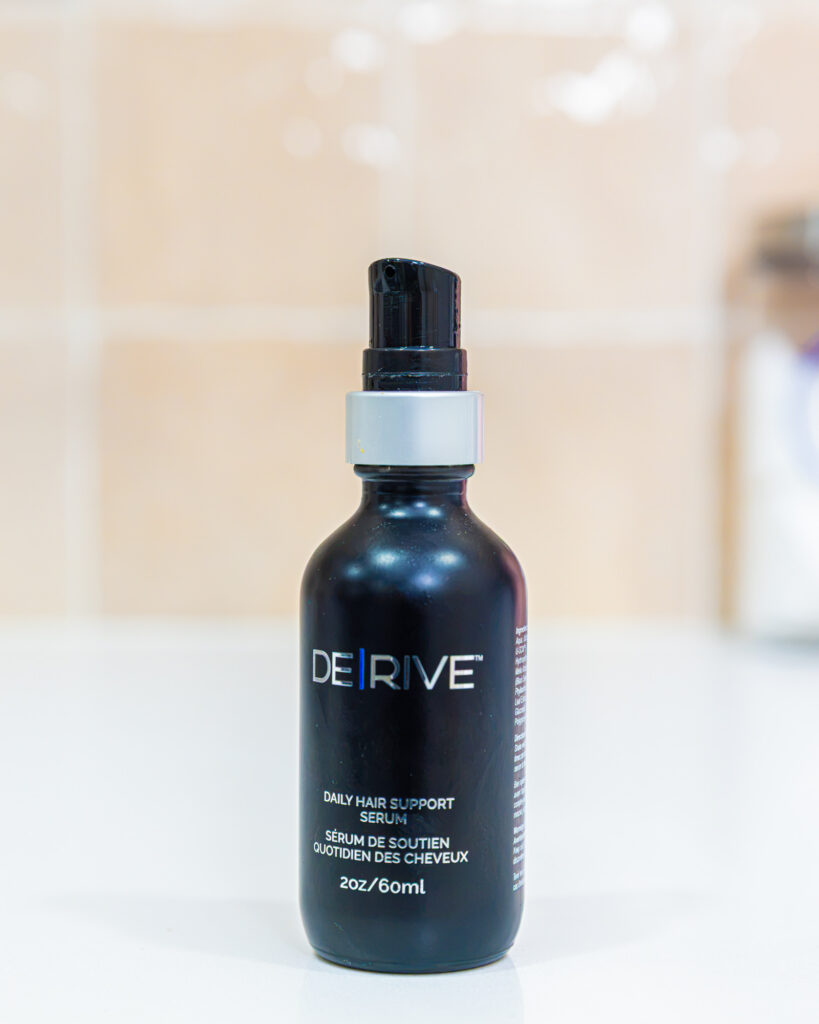
De|Rive. De|Rive is an advanced hair restoration treatment that uses exosomes, minute vesicles derived from cells and packed with growth factors and proteins that stimulate hair follicles and promote cellular regeneration. The process is noninvasive, often enhanced with ultrasound technology, and it improves hair density, texture, and strength while supporting scalp health.
Nouvaderm. Nouvaderm uses a thulium laser to penetrate deeper scalp layers, stimulating blood circulation and encouraging dormant hair follicles to reactivate. Cellular regeneration increases density and reduces thinning, with minimal discomfort and no significant damage to the outer skin.
Hormone Therapy. Where hormonal imbalance is driving hair loss, hormone therapy can address it at the source. For women, supplemental estrogen and progesterone counteract the menopausal changes behind thinning. For men, testosterone replacement can mitigate the symptoms of low testosterone.
Scalp Facials. Just as facials benefit the skin, targeted treatments improve scalp health and hair growth. Aquafirme is a medical-grade scalp treatment that uses a 4-step process to cleanse, exfoliate, hydrate, and nourish. Cellenis Derma PRP uses your own plasma to volumize and rejuvenate the scalp, promoting thicker, healthier hair.
Peptide Therapy. Peptides are short chains of amino acids that stimulate tissue repair and enhance cellular communication. Tailored peptide stacks can be built around your hair growth goals, and the same stack often supports sleep, recovery, and the skin.
Frequently Asked Questions
Results vary by treatment, but most people experience noticeable improvements in hair density and thickness within 3 to 6 months. Full results often take up to a year, as hair growth cycles take time to regenerate.
Yes, and peptides are part of how we approach hair loss in Philadelphia. They stimulate collagen production and improve blood flow to the scalp, supporting healthier, stronger hair growth.
A scalp facial is a deep cleansing and exfoliating treatment that removes dead skin cells, excess oil, and buildup on the scalp. By improving scalp health and circulation, it creates an optimal environment for hair growth and enhances the effectiveness of other treatments.



Ready When You Are
Pick Your Next Step
Book a consultation, build a treatment plan, or just send us a message. Whichever way you start, you will talk to somebody who sees the whole picture.